Earthquake Shut-Off Valves and Burst Pipes: What Lakewood Homeowners Should Know
An earthquake shut-off valve stops gas flow the moment shaking starts. Here is what the valve does, how it differs from the water valve you turn by hand, and what to check on your pipes after the ground moves.
Shaking broke a pipe? Shut off the water at your main valve and call us. We will find the break and stop the damage.
Call (562) 245-5416 Request ServiceWhat an earthquake shut-off valve actually does
It is a gas valve, not a water valve, and it works on its own, with no one touching it.
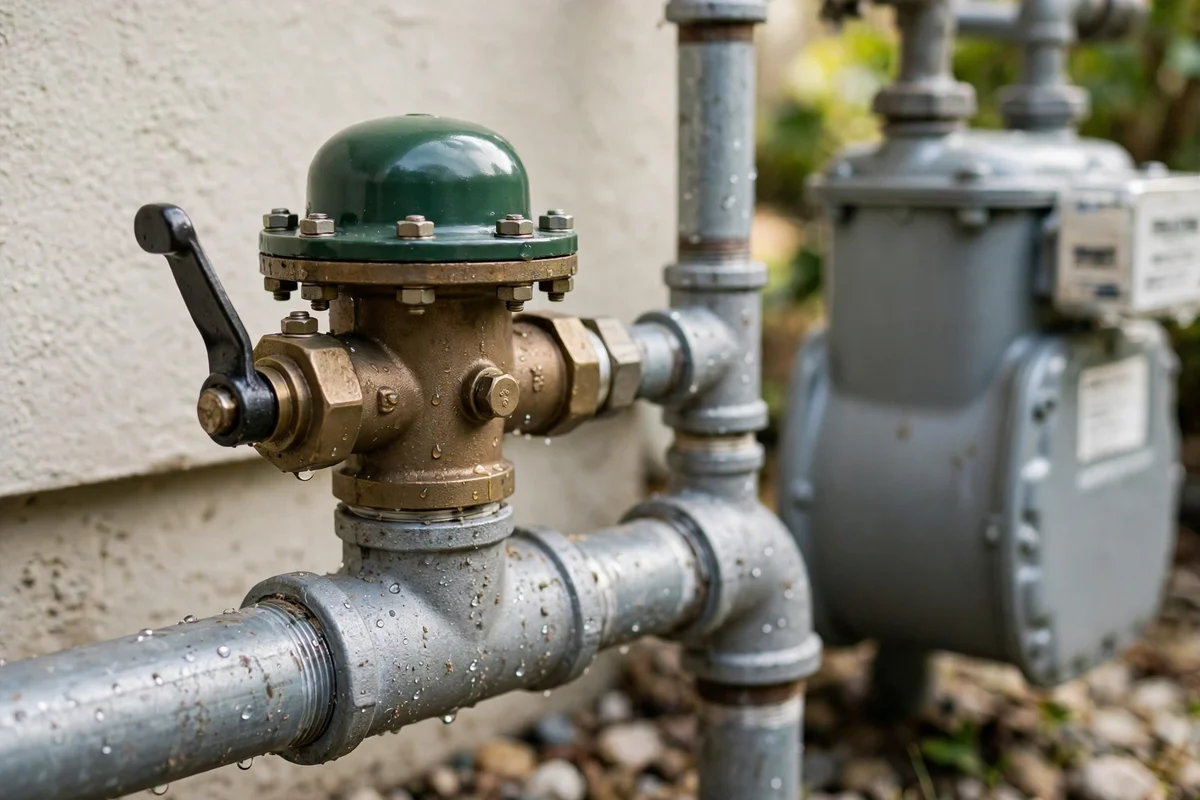
An earthquake shut-off valve sits on the gas line at your gas meter. Inside it, a motion sensor watches for shaking, and when the movement reaches the valve's trigger level, it shuts off the flow of gas into the house. The point is simple: after a quake, broken gas lines can feed a fire, and a valve that closes on its own takes that risk off the table before anyone has to think about it.
The valve does nothing for your water. It cannot stop a burst pipe, and it cannot shut off a flooding bathroom. Water is a separate system with its own valve, and the two should never be confused. If you have both, you have two different kinds of protection, and each one needs its own check.
Gas valve vs. water valve: two different jobs
Homeowners mix these two up more than any other pair in the house. Here is the split.
Earthquake shut-off valve (gas)
Automatic. Mounted on the gas line at the meter. Shuts off gas flow when shaking is detected. Stays off until your gas provider restores service.
Main water valve
Manual. You turn it by hand, usually on the front wall, in the garage, or at the meter box. Shuts off water to the whole house. Use it the moment you see water where it should not be.
Learn where yours is before you need it. Our guide on how to find and shut off your main water valve walks through the four steps, calmly, before an emergency.
What happens after the valve trips
A tripped valve means the gas is off, and it stays off until someone qualified turns it back on.
When the valve trips, the gas stays off. Do not try to reset it yourself. Call your gas provider, who restores service after an inspection, making sure no gas line was damaged in the shaking. That inspection is the whole point of the valve: it buys time for a proper check instead of letting gas flow into a damaged line.
If you smell gas at any point, leave the house first and call from outside. Do not flip light switches or use the phone inside, and do not go back in to look for the source. The U.S. government's earthquake safety guidance at Ready.gov covers the same first steps for after a quake.
Earthquakes and burst water pipes
Shaking stresses rigid old pipes worst, and Lakewood's 1950s plumbing is rigid and old.
Ground movement tugs at every rigid pipe run in the house, and brittle lines take that flexing worst of all. Corroded galvanized pipe, aging cast iron, and tight joints under a slab are the weak points, and it is the same kind of ground movement that helps explain how aging pipes fail in Lakewood's 1950s homes.
After any shaking you notice, check for water where it should not be, a hissing sound inside a wall, damp spots, and a water meter that keeps spinning with every tap off. If you find water, shut it off at the main valve, then call for help. Our burst pipe leak detection service finds breaks you cannot see, including lines under the slab.
If your main water valve is old or stuck, emergency shut-off valve installation puts a modern valve where you can reach it, so the next time water is spraying, one turn stops it.
Should your home have a seismic valve?
Many California homes already have one. Here is how to tell, and what to do if yours does not.
Seismic valves are common across California, and they often show up after gas work or on newer installations. Look at the gas meter on the outside wall: the valve is a device mounted on the gas line at the meter, often with a small window or indicator on top. If you are not sure what you are looking at, your gas provider can tell you whether your home has one.
If your home does not have one, ask your gas provider or a plumber about adding it. It is a small device with one job, and it only ever has to work once to earn its place. While you are at it, check the water side too: a home with a seismic valve still needs a working main water valve, and the warning signs your pipes are about to burst are worth knowing before the next shaking.
A quick plumbing check after an earthquake
Five minutes of checking after a quake can save a house from water damage and a family from a gas leak. The City of Lakewood site carries local water service and utility information for the area.
- Smell gas? Leave first. Get everyone out of the house and call your gas provider from outside. Do not use switches or phones inside.
- See water? Shut the main valve. Turn off the water at the main valve, then look for the source: burst lines, a shifted water heater, a cracked joint.
- Check the water heater. Look at its connections and the floor around it. A heater that shifted can pull a line loose.
- Check the meter. With every tap off, a spinning water meter means water is going somewhere it should not.
- Call for help. If anything looks wrong, or you are not sure, call us at (562) 245-5416 and describe what you see.
Frequently asked questions
Questions about earthquake shut-off valves and burst pipes.
Is an earthquake shut-off valve for gas or water?
Gas. The valve sits on the gas line at the meter and closes the flow when shaking reaches a set level, so gas cannot keep feeding a broken line after a quake. It has nothing to do with your water supply, which runs through separate pipes and is controlled by its own shut-off valve.
Will it shut off my water in an earthquake?
No. The seismic valve only watches the gas line, so it cannot stop water at all. Your water lines keep running until you close the main water valve by hand, and a broken water line will keep flooding until someone does. Think of the two valves as separate tools: one for gas, one for water.
Can I turn the gas back on myself after the valve trips?
No. Once the valve trips, leave the gas off and call your gas provider. They send someone to inspect the lines and relight appliances only when nothing is damaged, because a cracked gas line can leak silently after shaking. Turning the gas back on yourself risks a leak you cannot see or smell right away.
Do I still need to know where my main water valve is?
Yes. The seismic valve only handles gas, so your main water valve is the only thing that can stop a broken water line from flooding the house. Find it before a quake. It is usually where the water line enters the house or near the front hose bib, and everyone in the household should know how to turn it.
Can shaking break water pipes even in a small quake?
Yes, especially older rigid lines. Corroded galvanized pipe, brittle cast iron, and tight joints under a slab take the movement worst, and even a small shift can open a crack at a weak joint. After any shaking you notice, walk the house and check for water on floors, hissing behind walls, and damp spots near fixtures.
People Also Ask
How do I know if my home already has a seismic valve?
Walk outside to the gas meter and look for a fitting on the pipe before it enters the house. Many seismic valves have a small sight glass or a reset knob you can spot. If the piping there looks plain, or you cannot tell one fitting from another, a photo sent to your gas company will settle it.
Does a seismic valve protect against burst pipes?
No. It protects against gas leaks and the fires they can cause after a quake. Burst water pipes are a separate risk, and they need their own checks: shut the water off at the main valve and look for leaks.
What should I do first after an earthquake?
First, check for gas: if you smell gas, leave the house and call your gas provider from outside. Then check for water: if you see flooding or hear hissing, shut off the main water valve and call for help. Do not flip light switches or use a phone indoors until you are sure there is no gas leak.
Related articles
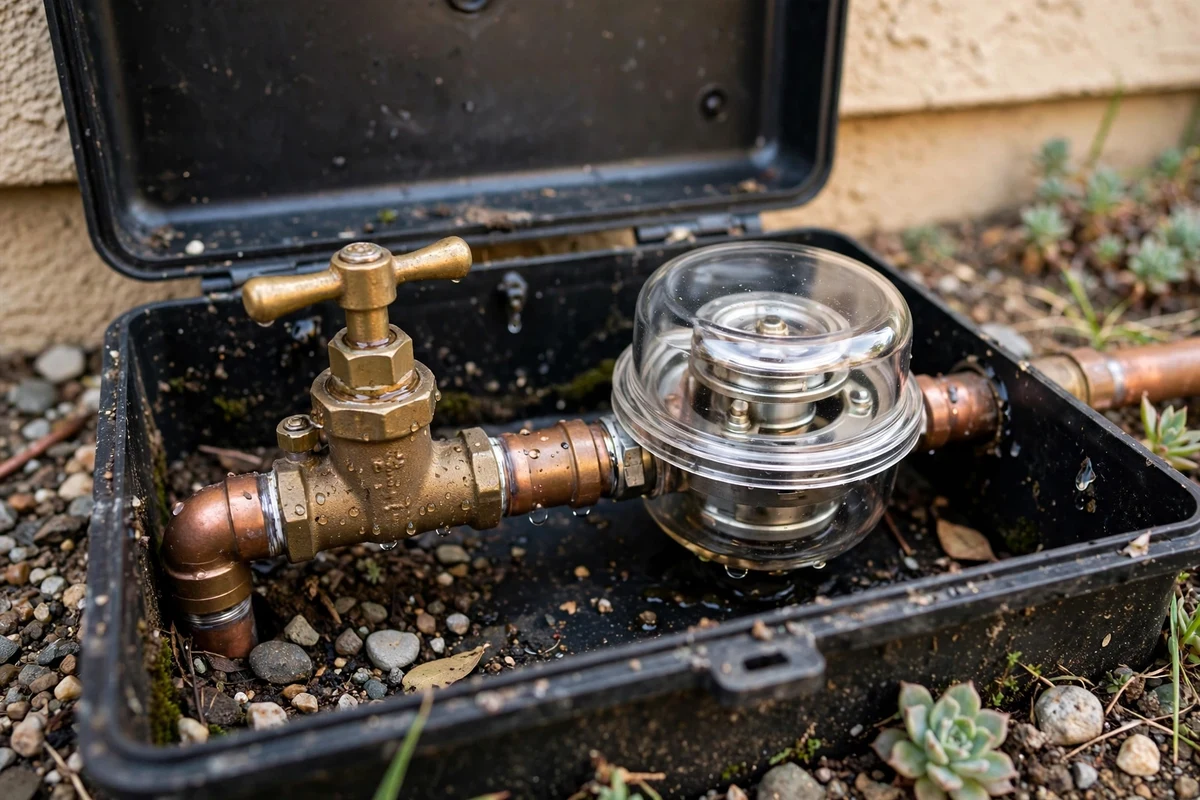
How to Find and Shut Off Your Main Water Valve
Your main water valve is the one turn that stops a flood. Here is where it hides in Lakewood-area homes and how to work it.
Read the guide →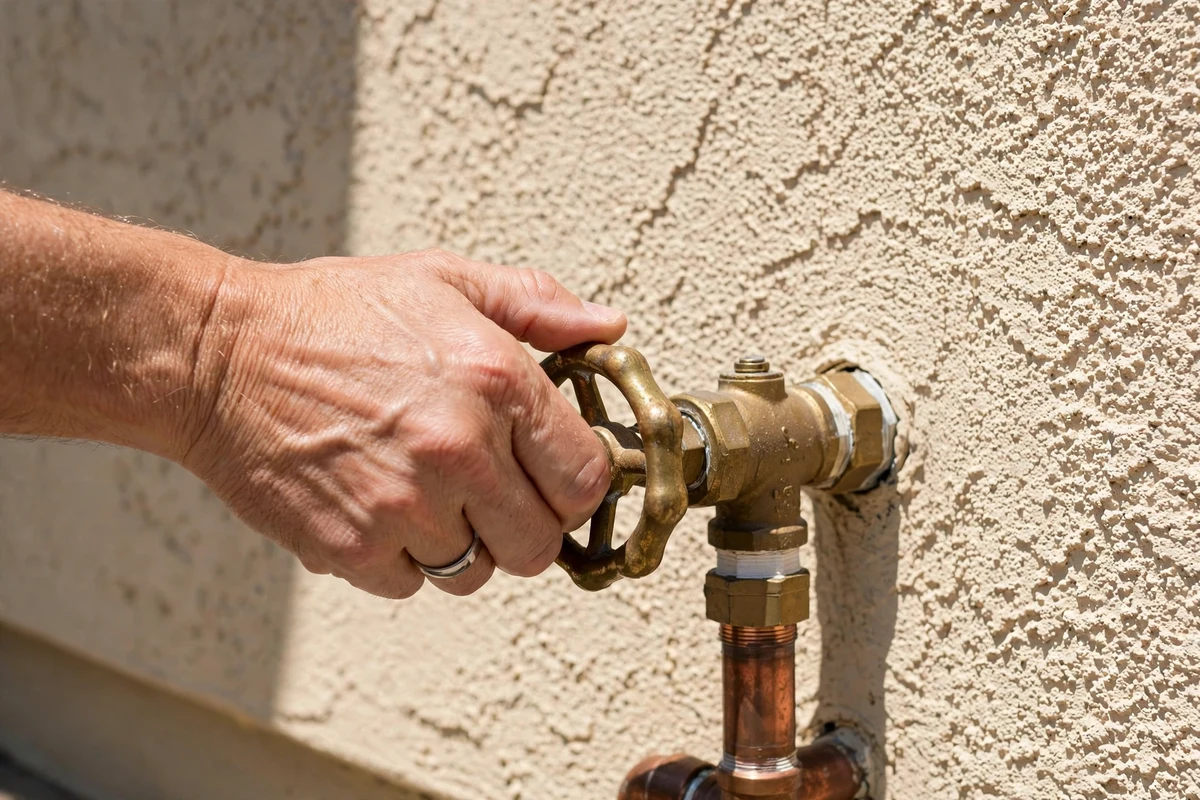
What to Do Immediately When a Pipe Bursts
Water is already running. The first minutes matter most: stop the flow, stay safe, and call for help.
Read the guide →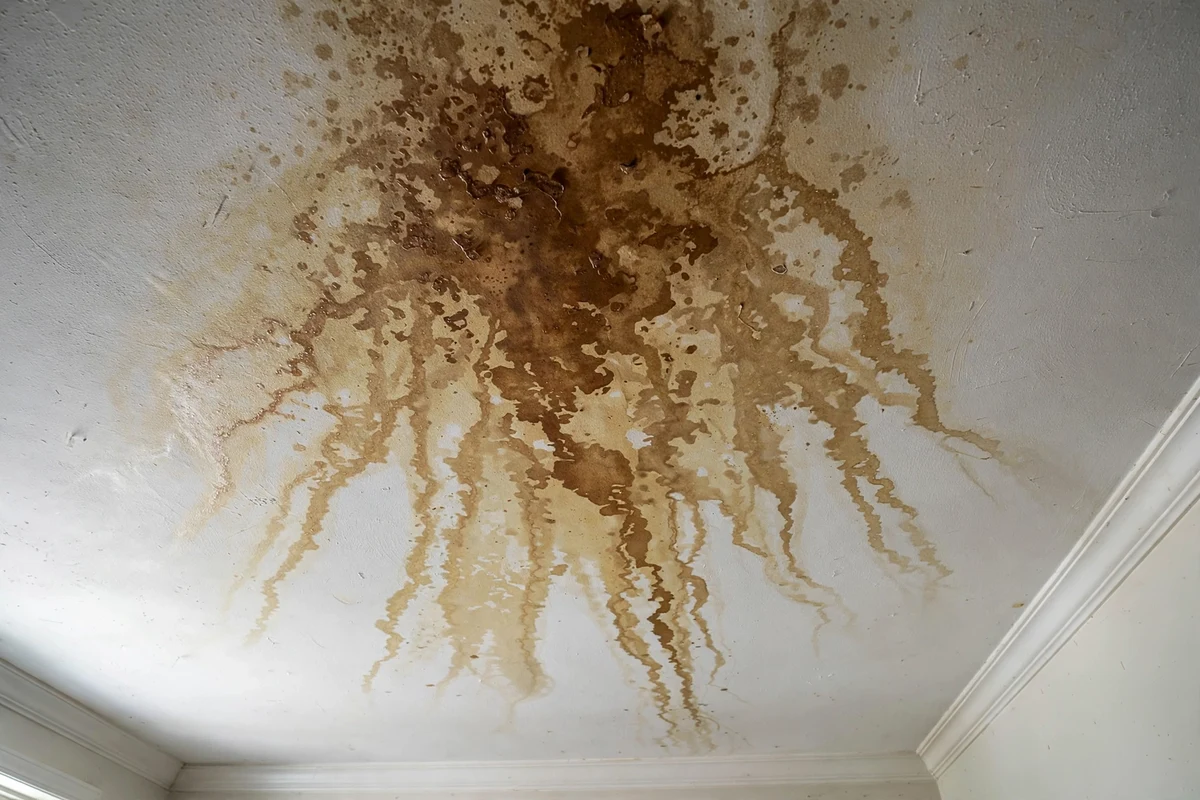
7 Warning Signs Your Pipes Are About to Burst
Low pressure, rusty water, damp spots, odd noises: the warning signs your pipes could burst soon.
Read the guide →Contact Lakewood Pipe Rescue
Reach out any time. We aim to answer promptly and get help moving as quickly as we can.
Call
(562) 245-5416
Emergency line, call any time.
Visit
4400 Ladoga Ave
Lakewood, CA 90713, USA
contact@burstpiperepairlakewoodca.com
We aim to reply within one business day.
Prefer to talk it through?
Call and describe what you're seeing, water where it shouldn't be, a hissing wall, a sudden pressure drop. We'll tell you the safest next step before anyone rolls a truck.
Call (562) 245-5416