Repiping a Lakewood Home: What to Expect Room by Room
A repipe swaps out the water lines through your whole home, one room at a time. Here is what the work looks like in the kitchen, the bathrooms, the laundry, and the garage, and how to get your home ready for it.
Thinking about a repipe? Tell us your home's age and what your pipes are doing, and we will walk you through the plan.
Call (562) 245-5416 Request ServiceThe walk-through comes first
Before any wall opens, the crew maps your home's plumbing, room by room.
A repipe starts with a walk-through, not a saw. The crew visits every fixture in the house, checks what material is in the walls, and works out where the new lines will run. In a 1950s Lakewood home that usually means original galvanized lines, sometimes mixed with copper from later repairs, and the plan has to account for both. This is also when the material decision gets made. Our guide to choosing between copper and PEX walks through how the two compare, so the choice is settled before work starts rather than mid-job.
Once the plan is set, the crew follows it room by room. Our whole-house repiping service works through that plan in order, so each area is finished and tested before the crew moves to the next, and the house is never torn open all at once. The City of Lakewood site covers local permits and water service information for the area.
The kitchen: sink, dishwasher, and fridge lines
The kitchen usually comes first, because it carries the most connections in one place.
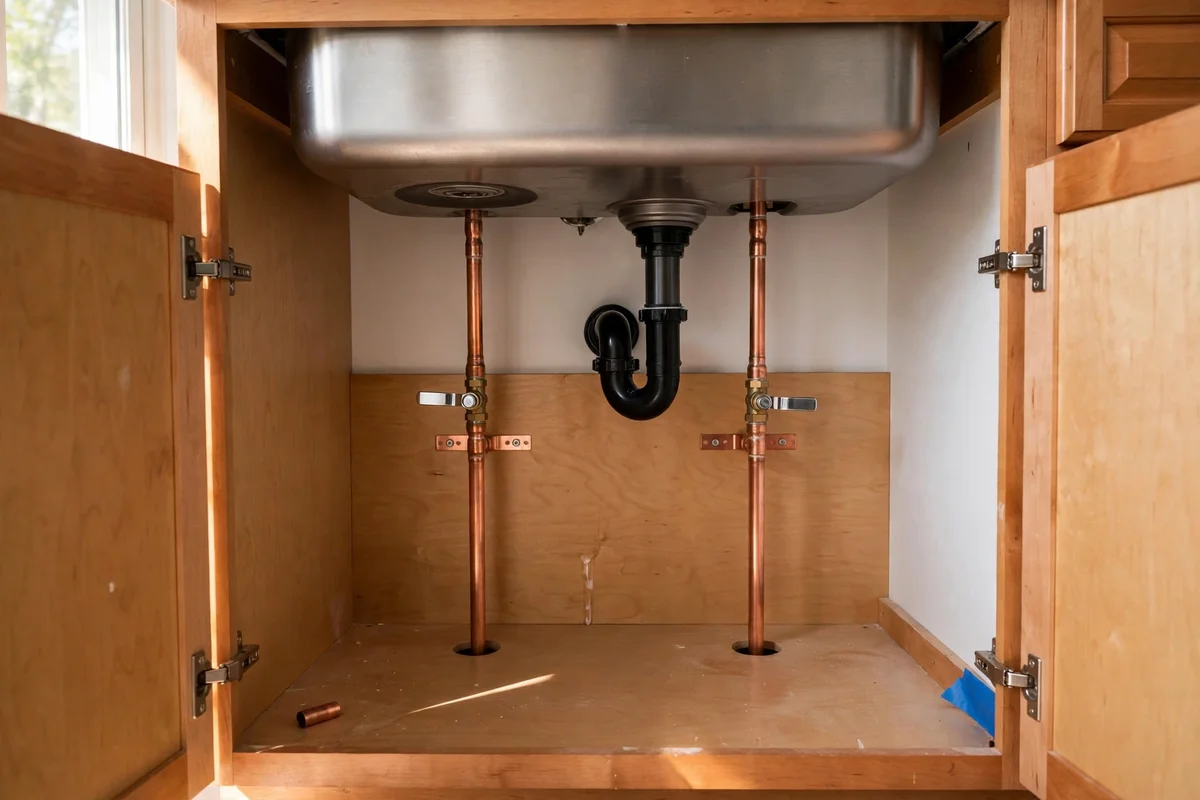
Three water points sit in most Lakewood kitchens: the sink, the dishwasher, and the fridge. Each one gets a new supply line, and the wall behind the sink is usually where the crew opens up first. The dishwasher pulls out so its supply line can be swapped, and the fridge line gets replaced along with it, since it is the same run of pipe.
Before the crew arrives, empty the cabinet under the sink and clear the counter near it. Everything under there comes out, cleaning supplies included, so the crew can reach the lines without moving your things twice. The cabinet base often gets a small opening cut for access, and it goes back together once the new lines are in.
Bathrooms: one at a time, fixtures lifted and reset
Bathrooms take the most care, because every fixture has to come out and go back in.
A bathroom repipe touches the vanity, the toilet, and the tub or shower. The vanity supply lines are swapped first, then the toilet supply, then the lines behind the tub or shower wall, which is where the biggest opening usually goes. Fixtures are lifted, set aside, and reset on the new lines, and the crew checks each one for drips before moving on.
In a home with two bathrooms, the crew usually finishes one before starting the other, so you are never without a working bathroom. Clear the space under each vanity and around each toilet before the day starts, and set aside towels and toiletries for the bathroom that is being worked on.
Shower valves deserve a mention. An old shower valve buried in the wall often gets replaced while the wall is open, since reaching it later means opening the wall again. Ask the crew to check yours while the tile surround is already accessible.
Laundry room, garage, and the water heater
The laundry and the water heater tie the whole system together.
The laundry room is usually quick: two supply lines to the washer, swapped and tested. The water heater takes more attention. Its hot and cold connections are reworked as part of the job, and the garage wall around it is where the main tie-in often happens, the point where the new system connects to the line coming in from the street.
Many Lakewood repipes start because galvanized lines keep failing, and the water heater connections are where that failure shows up first. If your home still runs on original galvanized pipe, our guide on why galvanized pipes fail explains what is happening inside those lines and why spot repairs stop working.
Clear the area around the water heater and the washer before the crew arrives. The heater needs working room on all sides, and the crew will need to reach the wall behind it.
Where the new lines run
New lines rarely follow the old ones exactly. The crew picks the cleanest path through the house.
In most Lakewood homes the new lines run through the attic or along the tops of walls, then drop down to each fixture. That route avoids tearing up floors and keeps the lines accessible. In homes built on slabs, running lines overhead also avoids cutting into the slab, which is a bigger job with a longer recovery.
The crew opens small, planned sections of drywall where the lines turn or connect, then patches them once the lines are tested. Ask what patching is included in your job before work starts, so you know which walls come back finished and which ones need a painter afterward. A tidy crew keeps the dust down with drop cloths and cleans up each room before moving to the next.
The yard and the main line
The repipe covers the lines inside the home. The line from the street is a separate question.
The service line runs from the water meter at the curb to the house, and it is not always part of a repipe. If that line is the same age and material as the pipes inside, it may be worth replacing at the same time, since the crew and the trench are already there. Our guide to water line repair vs. replacement walks through how to decide between fixing that line and replacing it.
If the yard line stays, the crew connects the new indoor system to it at the house wall and tests the joint carefully. That connection is the one joint you will never see again, so it gets checked twice before the crew leaves.
Living through a repipe
A repipe is disruptive, but it is planned disruption, and the house stays livable through it.
Water is shut off in planned windows while each section is swapped, and rooms that are finished usually have water back the same day. Keep some drinking water on hand for the shutoff windows, and plan meals that do not need the kitchen sink while the kitchen is being worked on. Knowing where your main shut-off valve is helps too, in case you ever need to stop the water yourself.
Keep pets and small children away from open walls and tools, and expect some noise and dust, even with drop cloths down. Most homeowners stay in the house through the whole job and treat the noisiest hours as a good time to be out running errands.
The final checks
A repipe is not done when the last pipe is in. It is done when the whole system has been tested.
The crew pressure-tests the new lines before any wall is patched, then flushes the system and runs every fixture in the house, one at a time, checking for drips at every new joint. The water may run cloudy for a short while after the flush, which is normal while the new lines clear. The U.S. EPA's WaterSense guidance covers the same habit of checking for leaks and watching water use after plumbing work.
Over the first few days, glance under sinks and behind toilets for dampness. A joint that is going to drip usually shows itself early, and catching it fast keeps a small fix small. If you spot a damp patch or a drip that was not there before, do not wait on it. Our guide on what happens if you ignore a pinhole leak explains why small leaks deserve quick attention.
Frequently asked questions
Questions about repiping a Lakewood home, room by room.
How long does a whole-house repipe take?
It depends on the size and layout of the home and the material chosen. A typical single-story Lakewood home often takes a few working days, with larger or two-story homes taking longer. The walk-through gives you a firmer timeline for your house before any work starts.
Will the crew cut open my walls?
Yes, in small, planned openings where the new lines run. The crew maps the route first so the cuts stay as small as possible, and each opening is patched once the lines are in and tested. Ask what patching is included in your job so you know what to expect on the walls afterward.
Can we stay in the house during a repipe?
In most cases, yes. Water is shut off in planned windows while each section is swapped, and rooms that are finished usually have water back the same day. The crew works room by room so the disruption stays contained, and they will tell you in advance which hours the water will be off.
Do I have to choose copper or PEX before the work starts?
Yes, the material decision comes first, since it shapes the plan, the fittings, and the order of work. Our guide to choosing between copper and PEX walks through how the two compare in Lakewood-area homes, including lifespan, water quality, and what each material means for your pipes.
What should I clear out before the crew arrives?
Empty the cabinets under sinks and vanities, clear the area around the water heater and any access panels, and move items away from walls where lines run. The crew will tell you exactly which spots to clear at the walk-through.
People Also Ask
Does repiping include the water line from the street?
Not always. The repipe covers the lines inside the home, while the service line from the meter to the house is often a separate job. If that line is old or failing too, it can make sense to replace it at the same time, since the crew and the trench are already there.
Will my water pressure change after a repipe?
It often improves, since new lines have their full diameter and no internal scale narrowing the flow. If pressure still runs high, a regulator keeps it steady and protects the new piping from the same strain that wore the old lines out.
Do I need a permit for a repipe in Lakewood?
In most cases, yes. A whole-house repipe is permitted work, and the city usually inspects the new lines before the walls are closed up. Ask your contractor to confirm the permit is in hand before work starts, and keep a copy of the signed-off inspection with your home records.
Related articles
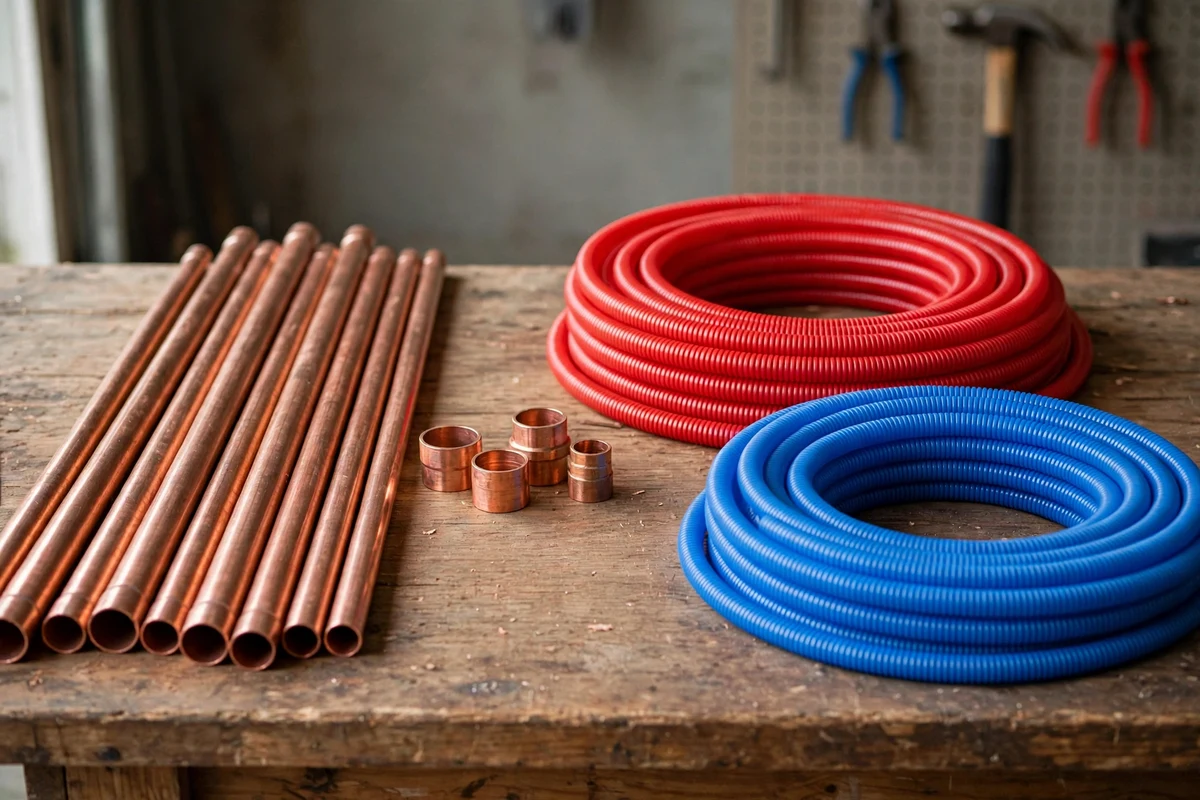
Copper vs. PEX: Choosing Repipe Material
The material decision comes first. Here is how copper and PEX actually compare in Lakewood-area homes.
Read the guide →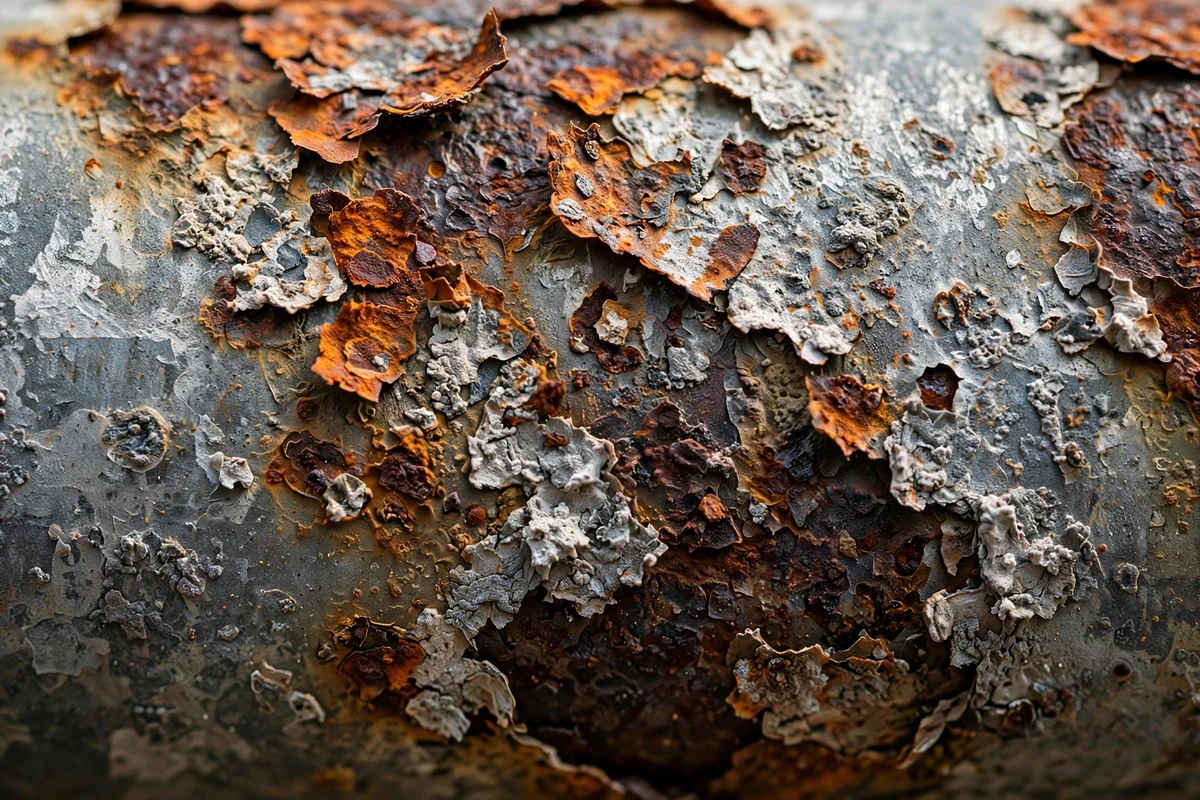
Why Galvanized Pipes Fail (and What Replaces Them)
Corrosion works from the inside out. Here is what decades do to galvanized lines, and when replacement beats another repair.
Read the guide →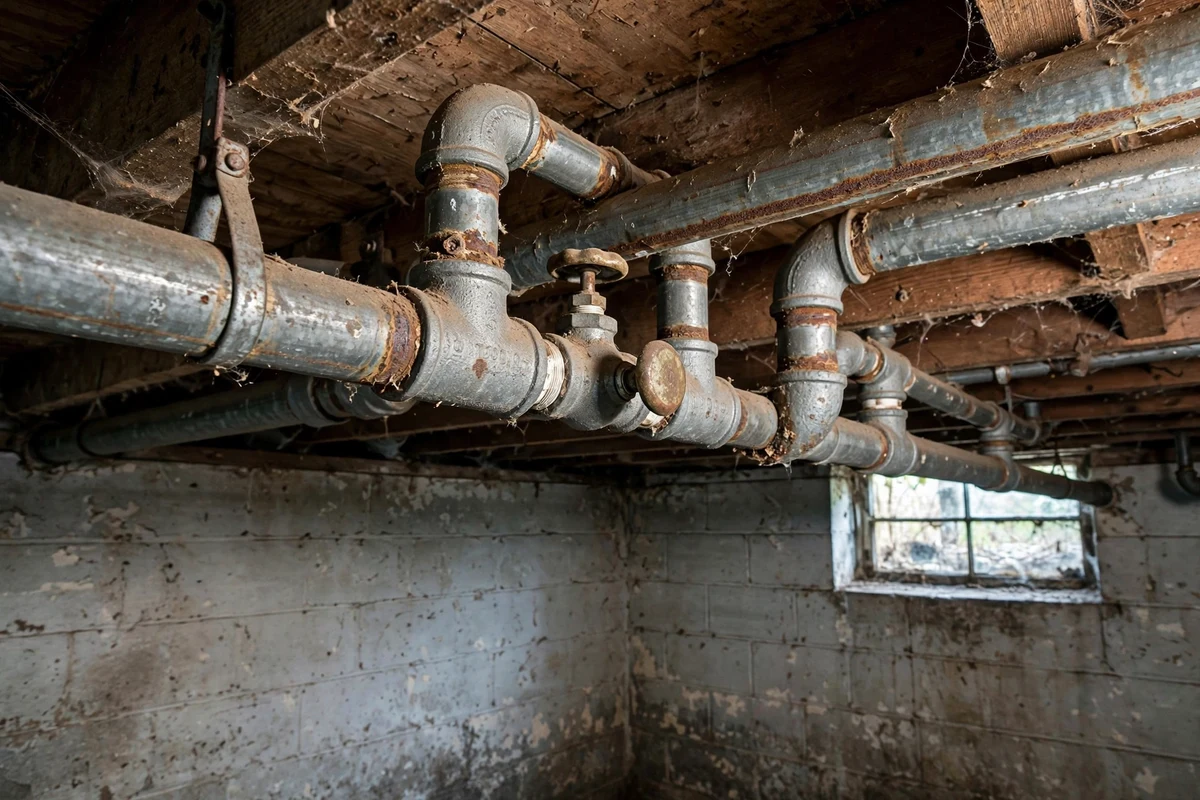
Why Pipes Burst in Lakewood's 1950s Homes
Lakewood's postwar homes still run on original plumbing. Here is what 70-plus years do to those lines.
Read the guide →Contact Lakewood Pipe Rescue
Reach out any time. We aim to answer promptly and get help moving as quickly as we can.
Call
(562) 245-5416
Emergency line, call any time.
Visit
4400 Ladoga Ave
Lakewood, CA 90713, USA
contact@burstpiperepairlakewoodca.com
We aim to reply within one business day.
Prefer to talk it through?
Call and describe what you're seeing, water where it shouldn't be, a hissing wall, a sudden pressure drop. We'll tell you the safest next step before anyone rolls a truck.
Call (562) 245-5416